Compare Local Contractors for Commercial Fire Restoration Services
Compare local contractors for commercial fire restoration to clarify scope, verify experience, and establish clear expectations, ensuring a reliable recovery process.
Commercial fire restoration contractors handle a comprehensive range of services aimed at restoring properties affected by fire damage. This typically includes debris removal, smoke and soot cleanup, structural repairs, and the restoration of damaged systems such as electrical wiring, HVAC, and plumbing. The scope of work can vary based on the extent of the fire and the specific needs of the property, making it essential for property owners to clearly define what tasks are necessary to ensure the project addresses all critical areas and avoids overlooked issues.
Defining the scope of fire restoration work is a crucial step that helps set clear expectations and prevents misunderstandings. A detailed scope outlines the specific services to be performed, materials to be used, and the desired outcomes, providing a foundation for comparing different contractors. When scope details are well-documented, property owners can better evaluate which service providers have relevant experience and the capacity to meet the project’s requirements, ultimately leading to more informed decisions and smoother project execution.
Comparing local contractors for commercial fire restoration involves assessing experience, expertise, and the ability to deliver the scope of work effectively. Property owners should consider the contractors’ familiarity with similar projects, their approach to handling complex damage, and their process for documenting work in writing. Verifying that contractors can provide comprehensive proposals and detailed work plans helps ensure transparency and alignment on project expectations. Using these criteria can assist property owners in selecting service providers capable of restoring their commercial spaces efficiently and thoroughly.
Compare local contractors by outlining priorities, verifying experience, and clearly defining scope and expectations in writing.
- Verify Experience and References - Review the contractor’s past projects and seek references to ensure relevant experience in fire restoration.
- Define Project Scope Clearly - Establish a detailed scope of work in writing to set expectations and prevent misunderstandings.
- Compare Multiple Service Providers - Evaluate local contractors based on their expertise, reputation, and offered services.
- Ensure Written Agreements - Confirm all project details, responsibilities, and expectations are documented in a formal contract.
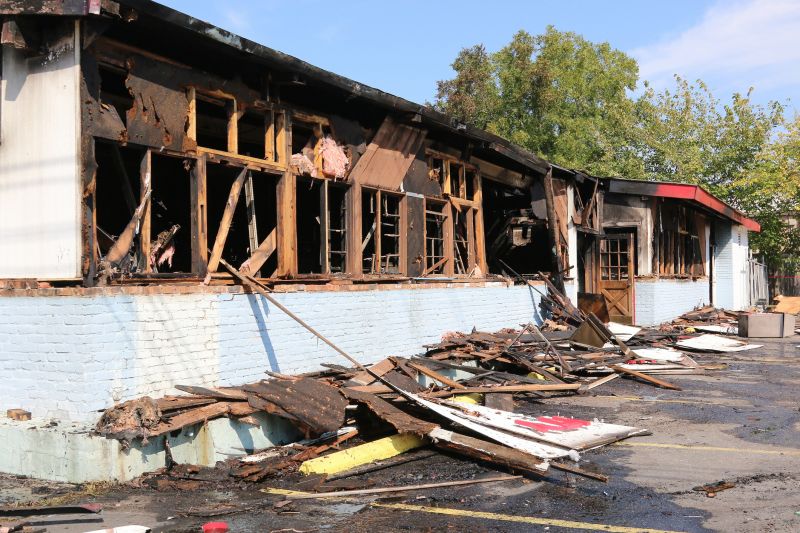
Clearly describe your commercial fire restoration project first to effectively compare local contractors and set clear expectations.
- Verify experience and references of contractors specializing in commercial fire restoration to ensure they have relevant expertise. - Review past projects to assess the quality of work and the types of facilities they have served.
- Define the scope of work clearly in writing to establish expectations and prevent misunderstandings during the restoration process. - Ensure all tasks, materials, and responsibilities are documented and agreed upon before work begins.
- Compare multiple service providers to evaluate their approaches, credentials, and communication styles for your specific needs. - Look for local contractors with a proven track record in commercial fire damage recovery.
- Check that contractors are familiar with industry standards and best practices for fire restoration to ensure comprehensive service. - Confirm that they understand procedures for cleaning, odor removal, and structural repair.
- Request detailed written proposals that outline the scope, methods, and responsibilities to facilitate informed decision-making. - Use these documents to compare services and set clear expectations with chosen contractors.
Use this to compare local contractors, clarify scope, verify experience, and set clear expectations.
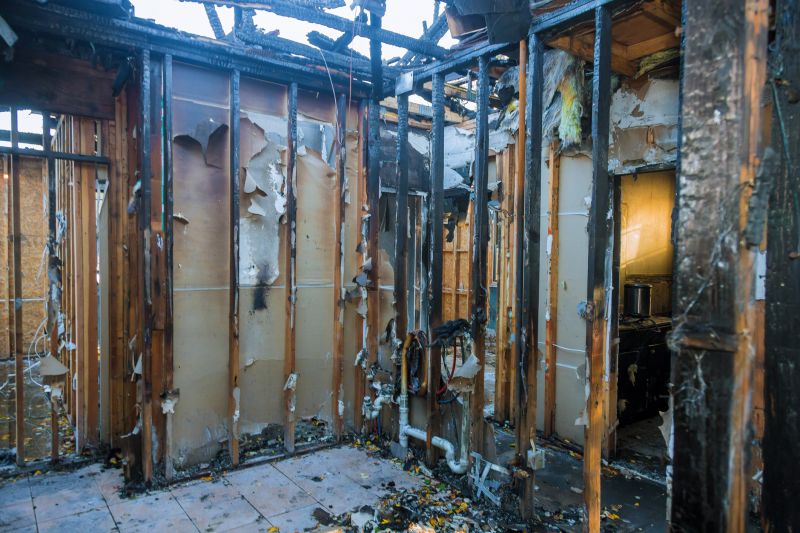
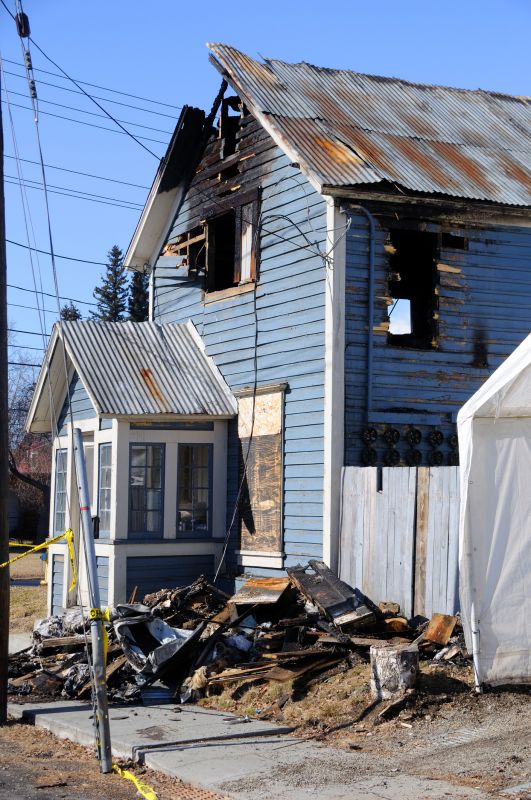
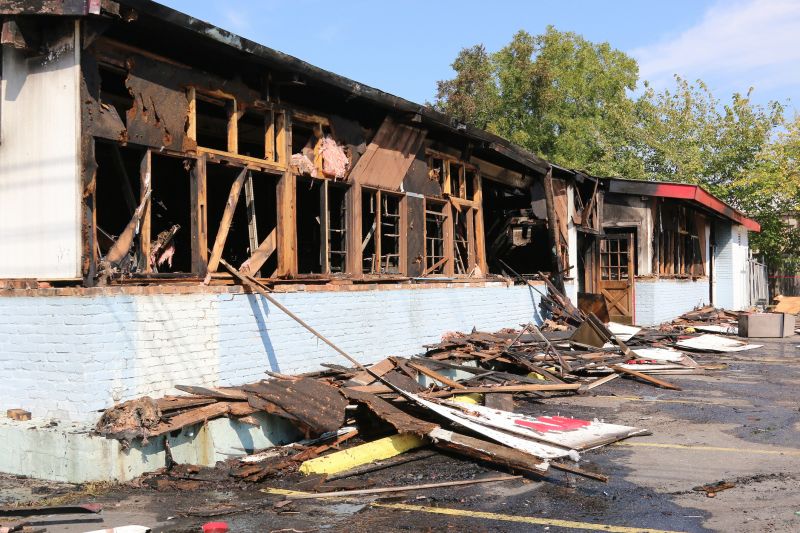
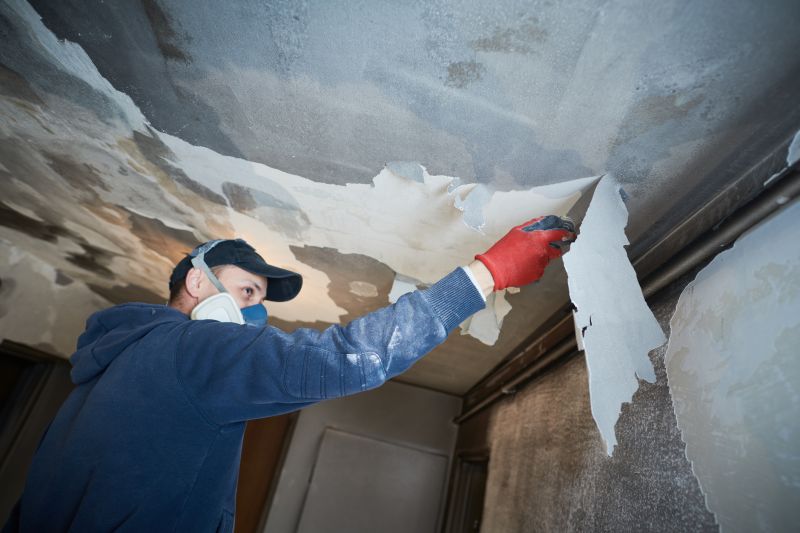
Use consistent comparison criteria across local contractors to accurately assess scope, verify experience, and clarify expectations.
- Scope Definition - Clearly outline the specific fire damage restoration tasks required for the commercial property.
- Experience Verification - Confirm that the service providers have relevant experience in commercial fire restoration projects.
- Service Capabilities - Identify the range of services offered by local contractors to ensure they can meet the project scope.
- Written Agreements - Ensure all project details, including scope and responsibilities, are documented in a formal agreement.
- Comparison Criteria - Establish consistent criteria to compare the qualifications and capabilities of different service providers.
When evaluating contractors for commercial fire restoration, it’s essential to consider their experience with similar projects. A contractor who has handled fire damage restoration in commercial settings will be familiar with the unique challenges these jobs present, such as dealing with large-scale damage, complex building systems, and specific safety considerations. Inquiring about their past work on comparable projects can provide insight into their capabilities and help ensure they have the practical knowledge needed to manage the scope of a commercial fire restoration effectively.
A clear, written scope of work is a critical factor in choosing a service provider. This document should outline the specific tasks, responsibilities, and deliverables expected during the restoration process. Having a detailed scope helps prevent misunderstandings and sets clear expectations for the project. When comparing contractors, look for those who can provide comprehensive written descriptions of their approach, including how they plan to address structural repairs, smoke and soot removal, and other key restoration activities.
Verifying a contractor’s basic qualifications involves checking references, reviewing their work history, and confirming their familiarity with local building codes and industry standards. It’s important to ask for references from previous commercial fire restoration projects and to follow up with those references to gain insights into their performance and reliability. Additionally, confirming that a contractor is experienced with the specific types of damage common in fire restoration can help ensure that the project will be handled competently and efficiently.
Evaluating options without focusing on prices involves assessing the professionalism, communication clarity, and completeness of each proposal. Consider how well each contractor understands the scope of work, the level of detail in their written plan, and their ability to answer questions thoroughly. Comparing how each service provider approaches the project, their transparency in defining tasks, and their ability to articulate their process can help identify the most suitable partner for the restoration. This approach promotes making an informed decision based on expertise and clarity rather than cost alone.
Ask service providers to provide written scope of work to ensure clear expectations and consistent project details.
- Scope of Work - How do the contractors' proposed services compare in addressing all aspects of fire damage restoration?
- Experience & Expertise - What level of experience do the service providers have with commercial fire restoration projects similar to yours?
- Scope Definition - Are the scope of work and responsibilities clearly outlined and documented in the project proposals?
- Work Approach - How do the contractors plan to handle the specific challenges involved in restoring fire-damaged commercial properties?
- Communication & Clarification - What methods do the service providers use to ensure expectations and project details are clearly communicated and understood?
How can I find the right contractor for commercial fire restoration? It's important to compare multiple service providers by reviewing their experience, credentials, and reputation. Gathering detailed information helps ensure the contractor can handle the specific needs of the restoration project.
What should I consider when defining the scope of fire restoration work? Clearly outline the extent of damage, specific tasks needed, and any special requirements. Communicating these details in writing helps prevent misunderstandings and sets clear expectations.
How do I verify a contractor’s experience in fire restoration? Ask for references or examples of previous projects similar in size and complexity. Confirming their background in commercial fire restoration provides confidence in their ability to manage the work effectively.
Why is it important to get everything in writing? Having a detailed written agreement ensures that the scope, responsibilities, and expectations are clearly documented. This can help avoid disputes and provides a reference throughout the project.
What questions should I ask potential service providers? Inquire about their experience with similar projects, the approach they take to restoration, and how they handle unforeseen issues. Well-informed questions can aid in comparing their methods and expertise.
How can I ensure the contractor can handle the specific needs of my commercial property? Discuss the particular challenges of the property and project scope with potential contractors. Ensuring they understand the unique aspects helps determine if they are capable of managing the restoration effectively.
Understanding the key aspects of commercial fire restoration contractors can help in making informed decisions. Visitors have learned how to clearly define the scope of work, verify the experience of service providers, and set expectations in writing to ensure transparency and alignment. Comparing local contractors enables property owners to identify options that best fit their specific project needs, fostering confidence in the restoration process.
Using the quote form allows for easy comparison among nearby service providers, helping to identify professionals capable of handling fire restoration projects effectively. It provides a straightforward way to gather information and connect with experienced contractors who can address the unique requirements of commercial fire recovery, all while maintaining control over the selection process.